


Acupuncture for Immune Support: Staying Well Through Cold and Flu Season
Every year it starts the same way. One person at work has a scratchy throat, your kid comes home sniffling, and suddenly it feels like everyone around you is sick. If you want to give your body its best shot at staying well this season, Chinese medicine has a lot to offer for immune support.
Acupuncture won’t replace your flu shot or handwashing, and it isn’t a magic shield. But some of the biggest things that affect how often you get sick, like sleep and stress, are exactly where acupuncture shines. Here’s what the research says and how we approach cold and flu season at Shen Medicine.
How Chinese medicine thinks about immune support
In Chinese medicine, your first line of defense is called Wei Qi (pronounced “way chee”), often translated as defensive energy. Think of it as a protective layer that circulates just under the skin and helps keep outside “wind and cold” from getting in.
When Wei Qi is strong, you might be around a cold and never catch it. When it’s run down from poor sleep, stress, overwork or skipped meals, you’re more likely to pick up whatever is going around, and it may hang on longer. That’s why Chinese medicine has always focused on building your defenses before the season hits, not just treating symptoms once you’re sick.
What the research says about immune support
Modern research lines up with this idea in a few encouraging ways.
- Sleep matters more than almost anything. In a well-known study, researchers tracked people’s sleep and then exposed them to a cold virus. People who slept less than six hours a night were about four times more likely to catch the cold than those who slept more than seven.
- Stress makes you more vulnerable. A landmark study in the New England Journal of Medicine found that the more psychological stress people were under, the more likely they were to get sick after being exposed to a cold virus.
- Acupuncture helps with sleep. A 2025 review of randomized trials found that acupuncture improved sleep quality in people with chronic insomnia compared with sham acupuncture. Better rest is one of the most direct ways to support your immune system.
- Acupuncture and cold symptoms. In a multicenter trial in Japan with 326 participants, people who received acupuncture reported milder cold symptoms over the study period than those who didn’t get treatment.
Researchers have also looked at how acupuncture interacts with the immune system itself, including natural killer cells, the cells that help your body respond to viruses. That work is still early, but it’s an exciting area to watch.
Acupuncture for immune support this season
At Shen Medicine, we think about cold and flu season in two parts.
Before you get sick. A “seasonal tune-up” in late fall or early winter focuses on rebuilding Wei Qi, calming your nervous system and helping you sleep more deeply. For many of our patients, these visits fit right into care they’re already getting for fertility, cycle health or stress.
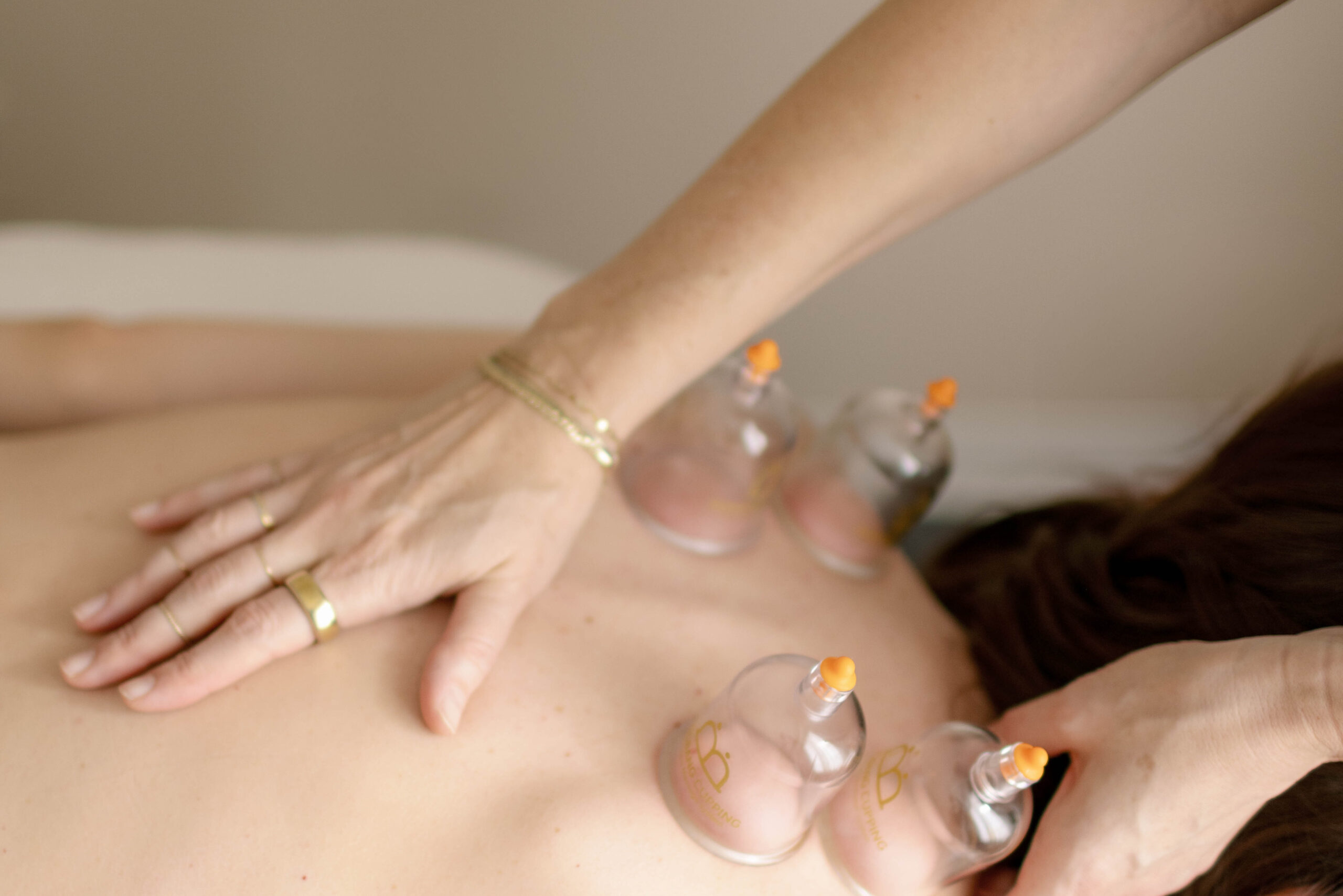
If something starts to creep in. If you feel that first tickle in your throat or the heavy, achy “something’s coming” feeling, treatment can focus on easing symptoms like congestion, headache and body aches. Depending on what you need, your practitioner may also use gentle cupping or gua sha on the upper back and neck, which are traditionally used at the first sign of a cold.
If you have a fever, let us know before your visit so we can decide together whether to come in or reschedule.
Simple Chinese medicine habits for winter
You don’t need an appointment to start supporting your body today. A few habits we love:
- Go to bed earlier. Classical Chinese medicine texts recommend sleeping earlier and rising a little later in winter, the season of rest.
- Keep your neck covered. In Chinese medicine, the back of the neck is where wind and cold get in. A scarf is your friend.
- Eat warm, cooked foods. Soups, stews, bone broth, ginger, garlic and scallions are all traditionally used to warm and strengthen the body. Go easy on iced drinks and raw salads.
- Protect your downtime. The holidays are busy. Even short breaks, a walk or a few slow breaths help keep stress from building up.
- Don’t push through. If you do get sick, rest early. Pushing through the first day or two is often what turns a small cold into a long one.
If you’ve been feeling run down for a while, you might also like our posts on feeling tired all the time and respiratory wellness and allergies.
When to see your doctor
Acupuncture works best alongside your regular medical care. Call your doctor if you have a high or lasting fever, trouble breathing, chest pain, or symptoms that get better and then suddenly get worse. If you’re pregnant, check with your OB or midwife about cold and flu care, including the flu shot.
Immune support at Shen Medicine in Nashville
At Shen Medicine, we look at the whole picture: how you’re sleeping, how stressed you are, your digestion and your energy. Then we build a plan to help you feel steady and strong through the colder months. Many patients add a seasonal tune-up to the care they’re already getting with us.
You can learn more about acupuncture at Shen Medicine, or book a visit whenever you’re ready.
Quick FAQ
Can acupuncture prevent the flu?
No treatment can promise that. Acupuncture can support the things that help your body stay well, like sleep and stress, and works best alongside your flu shot and good habits.
How often should I come in during cold and flu season?
It depends on your health and goals. Many people do well with a seasonal tune-up in late fall. If you’re already coming in for other care, we can build immune support into those visits.
Can I get acupuncture when I have a cold?
Often, yes, and it can help with symptoms like congestion and aches. If you have a fever, call us first so we can decide together.
Is acupuncture safe during pregnancy?
Yes, when it’s done by a licensed acupuncturist trained in prenatal care. Let us know if you’re pregnant so we can tailor your treatment.
Sources
- Prather AA, et al. Behaviorally assessed sleep and susceptibility to the common cold. Sleep. 2015. doi.org/10.5665/sleep.4968
- Cohen S, Tyrrell DA, Smith AP. Psychological stress and susceptibility to the common cold. New England Journal of Medicine. 1991. pubmed.ncbi.nlm.nih.gov/1713648
- Yu Y, et al. Acupuncture for chronic insomnia disorder: a systematic review with meta-analysis and trial sequential analysis. Frontiers in Neurology. 2025. doi.org/10.3389/fneur.2025.1541276
- Kawakita K, et al. Preventive and curative effects of acupuncture on the common cold: a multicentre randomized controlled trial in Japan. Complementary Therapies in Medicine. 2004. pubmed.ncbi.nlm.nih.gov/15649831
- Centers for Disease Control and Prevention. Influenza (Flu). cdc.gov/flu
Related Posts

Can Acupuncture Improve Sperm Quality? A Guide for Partners
Can acupuncture improve sperm quality? What a review of 27 trials found, why sperm take about 3 mont
Acupuncture for Immune Support: Staying Well Through Cold and Flu Season
Can acupuncture help you stay well this cold and flu season? Here's what the research says about sle

Acupuncture to Induce Labor: Does It Work and When to Start?
Wondering if acupuncture can help labor start? Here's what recent research says, when to begin pre-b