



Perimenopause Anxiety and 3am Wake-Ups: Why It Happens and What Helps
It’s 3:07 a.m. You’re wide awake, your heart is racing and your brain has decided now is the perfect time to replay every email you sent this week. Sound familiar?
If you’re in your 40s and this is suddenly your new normal, you’re not imagining it. Perimenopause anxiety and middle-of-the-night waking are two of the most common (and most frustrating) symptoms we hear about from women here in Nashville. Let’s talk about why it happens, what Chinese medicine has to say about that 3 a.m. alarm clock and what may actually help.
Looking for the bigger picture on this stage of life? Our post on natural and holistic perimenopause relief is a great place to start.
Why does perimenopause cause anxiety and insomnia?
During perimenopause, your hormones don’t drop in a smooth line. Estrogen rises and falls, sometimes from week to week, and those swings can affect sleep, mood and body temperature. That’s why perimenopause anxiety and perimenopause insomnia so often show up together.
Here’s what the experts say:
- Sleep problems are really common. The European Menopause and Andropause Society estimates that about 40 to 56% of women have sleep problems during the menopause transition.
- Night sweats are a big piece. Mayo Clinic notes that trouble sleeping is often linked to hot flashes or night sweats, but not always. Sleep can shift even without them.
- Mood can shift too. Mayo Clinic says mood swings, irritability and a higher risk of depression may happen in perimenopause, especially if you’ve had anxiety or depression before.
Put it all together and you get a body that runs a little hot, a nervous system that’s a little more on edge and sleep that’s a lot more fragile.
Why do I keep waking up at 3am in perimenopause?
Waking up at 3am in perimenopause is often a mix of night sweats, lighter sleep and a busy mind. Once you’re awake, anxiety can make it hard to drift back off.
Other things can play a role too, like needing to use the bathroom, reflux, alcohol, caffeine or screen time before bed. If you snore loudly or wake up gasping, mention it to your doctor, since sleep apnea is worth ruling out.
What does Chinese medicine say about 3am wake-ups?
This is where things get fun. Chinese medicine has something called the organ clock, which links each two-hour block of the day to an organ system. The 1 to 3 a.m. window belongs to the Liver.
In Chinese medicine, the Liver helps keep things flowing smoothly, including your emotions. When it’s stressed or overheated, you might wake up during its shift feeling restless, irritated or wired. (Curious? Read about the signs your Liver needs support.)
A few other patterns we see in perimenopause:
- Kidney yin running low: Yin is your body’s cooling, calming, nourishing energy. As it dips with age, heat can rise at night, hello night sweats.
- Heart yin and the Shen: The Heart houses the Shen, or spirit. When there isn’t enough yin to anchor it, the mind gets restless, especially at night.
- Heat rising: Think flushed cheeks, a racing heart and a mind that won’t switch off.
Most women are a mix, which is why we look at your whole picture.
Can acupuncture help perimenopause anxiety and sleep?
Two recent reviews linked acupuncture to better sleep in women going through perimenopause, and some approaches also helped with anxiety and low mood.
Here’s what stood out:
- Better sleep: A network meta-analysis in Frontiers in Neurology looked at 36 trials with 2,731 perimenopausal women with insomnia. Several acupuncture approaches improved sleep quality, and seven of them outperformed sham acupuncture. Combining body acupuncture with ear acupuncture ranked highest.
- More than medication alone: A second review of 49 trials with 4,579 participants found that ear plus body acupuncture improved sleep scores more than Western medication alone. Acupuncture combined with medication also did better than medication on its own.
- Mood support: In the first review, several acupuncture approaches outperformed sham acupuncture and medication for anxiety and low mood.
That’s a lot of encouraging data. Acupuncture may help ease perimenopause insomnia and anxiety, especially as part of a bigger plan with your doctor.
What can I try tonight for 3am wake-ups?
A few small, simple things that may help:
- Keep your room cool. Light layers and a fan can make night sweats easier to manage.
- Cut caffeine after lunch. And notice how alcohol affects your sleep. For many women, a glass of wine means a 3 a.m. wake-up.
- Stick to a steady bedtime. Same time each night, even on weekends.
- Put the phone down. If you wake up, try not to check it. The light and the inbox are not your friends at 3 a.m.
- Try a calming acupressure point. Gently press Yin Tang, the spot between your eyebrows, for a minute while taking slow breaths.
- Write it down. Keep a notebook by the bed to get racing thoughts out of your head.
If anxiety or insomnia is affecting your daily life, or you’re feeling hopeless, please talk to your doctor. Treatments like cognitive behavioral therapy, hormone therapy and other medications can help, and you deserve real support.
How do we help with perimenopause anxiety at Shen Medicine in Nashville?
At our office at 2505 21st Ave S, Suite 400, Nashville, TN, we start with your whole story, not just your sleep tracker. Here’s what that looks like:
- A full look at the picture: your cycle, sleep, mood, digestion, energy and stress
- Acupuncture to help calm your nervous system and support deeper rest
- Simple lifestyle and food guidance for cooling and nourishing your body
- Care that works alongside your doctor or OB/GYN, including if you’re using or considering hormone therapy
Learn more about our women’s health care, or book your visit when you’re ready.
Quick FAQ
Is perimenopause anxiety normal? It’s very common. Hormone shifts can affect mood, and women with a history of anxiety or depression may be more likely to notice changes. If it’s affecting your life, talk to your doctor.
How long does perimenopause insomnia last? It varies a lot from person to person. Many women find sleep improves with a mix of habits, medical care and support like acupuncture.
Can I do acupuncture if I’m on hormone therapy? Yes. Acupuncture can work alongside hormone therapy. Just let both your doctor and your acupuncturist know.
You don’t have to just white-knuckle your way through 3 a.m. We’d love to help you sleep a little easier here in Nashville.
With love (and very fine needles),
The Shen Medicine Team
Sources
- Mayo Clinic: Perimenopause, symptoms and causes
- European Menopause and Andropause Society: Menopause Essentials 2026, Sleep problems
- Wang et al. A network meta-analysis of acupuncture therapy for female insomnia and negative emotions from the perspective of the perimenopausal window. Frontiers in Neurology, 2025
- Yang et al. Comparative effectiveness of different acupuncture therapies for perimenopausal syndrome: a systematic review and network meta-analysis. Frontiers in Neurology, 2025
This post is for education only and isn’t medical advice. Talk with your healthcare provider about what’s right for you.
Related Posts
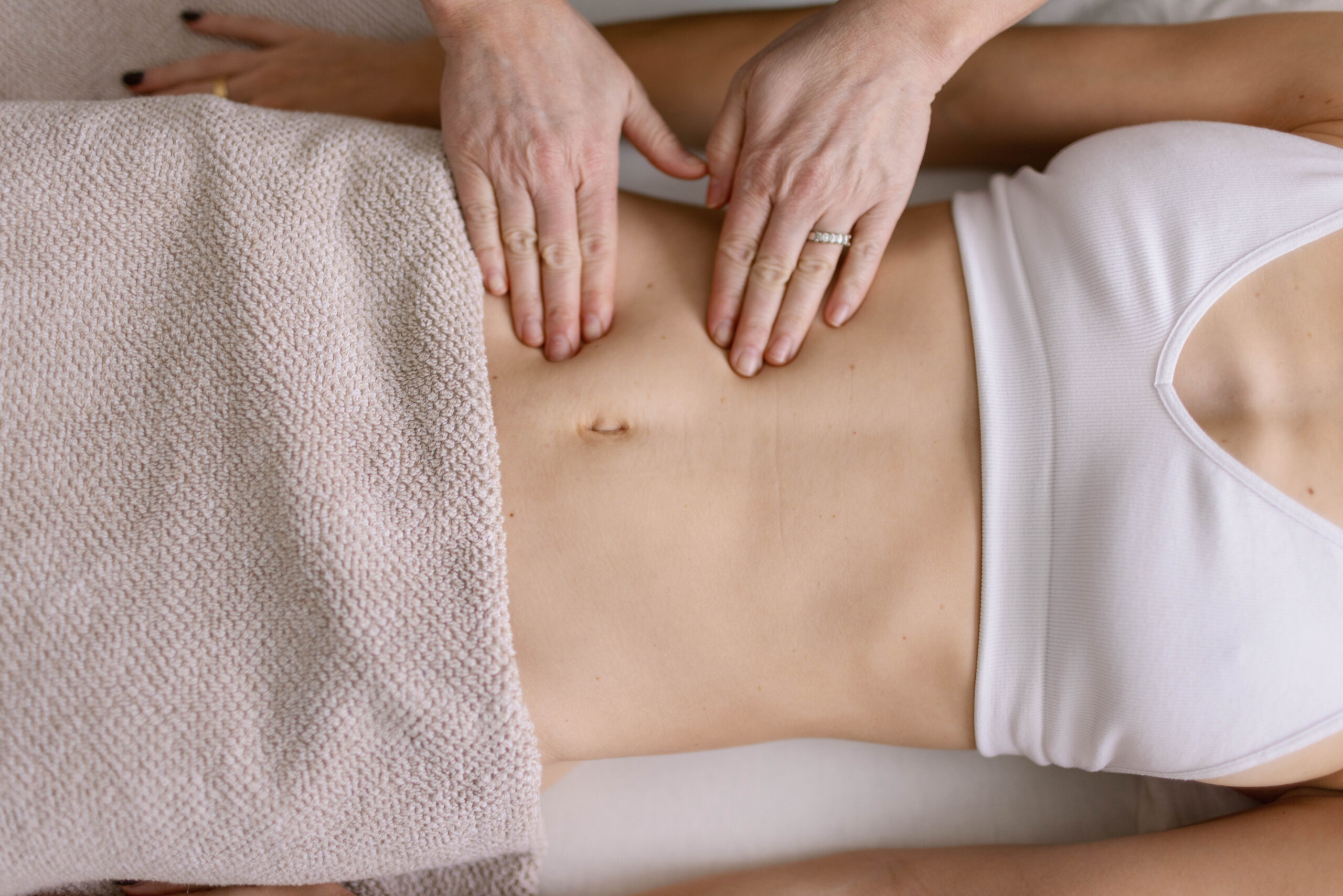
Taking Letrozole? A New Trial Looked at Adding Acupuncture
Taking letrozole to ovulate? A new 2026 trial looked at adding acupuncture for women with PCOS. Here
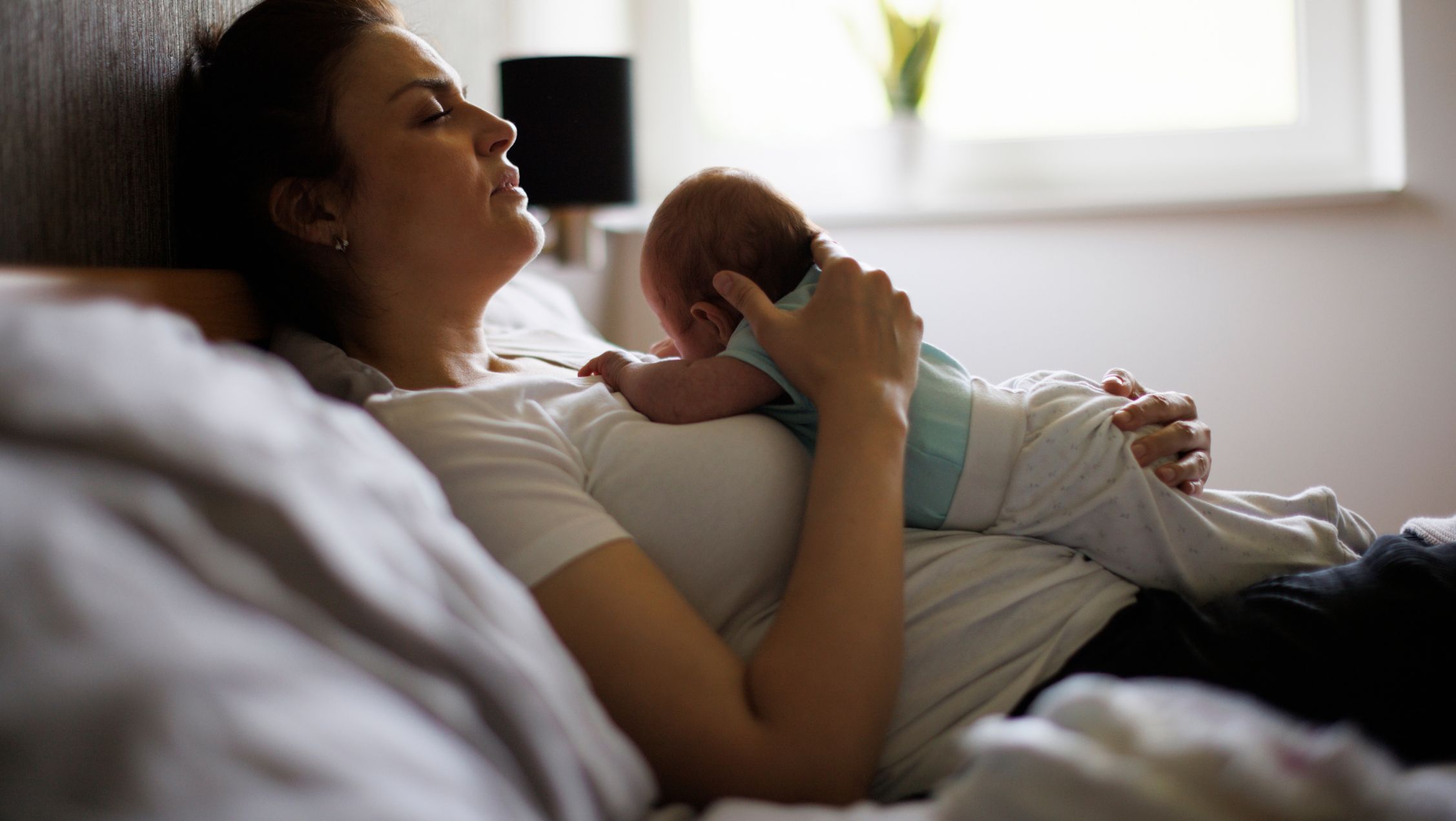
The Golden Month: What Chinese Medicine Teaches About Postpartum Recovery
What is zuo yuezi, or the golden month? Learn how Chinese medicine approaches postpartum recovery, w
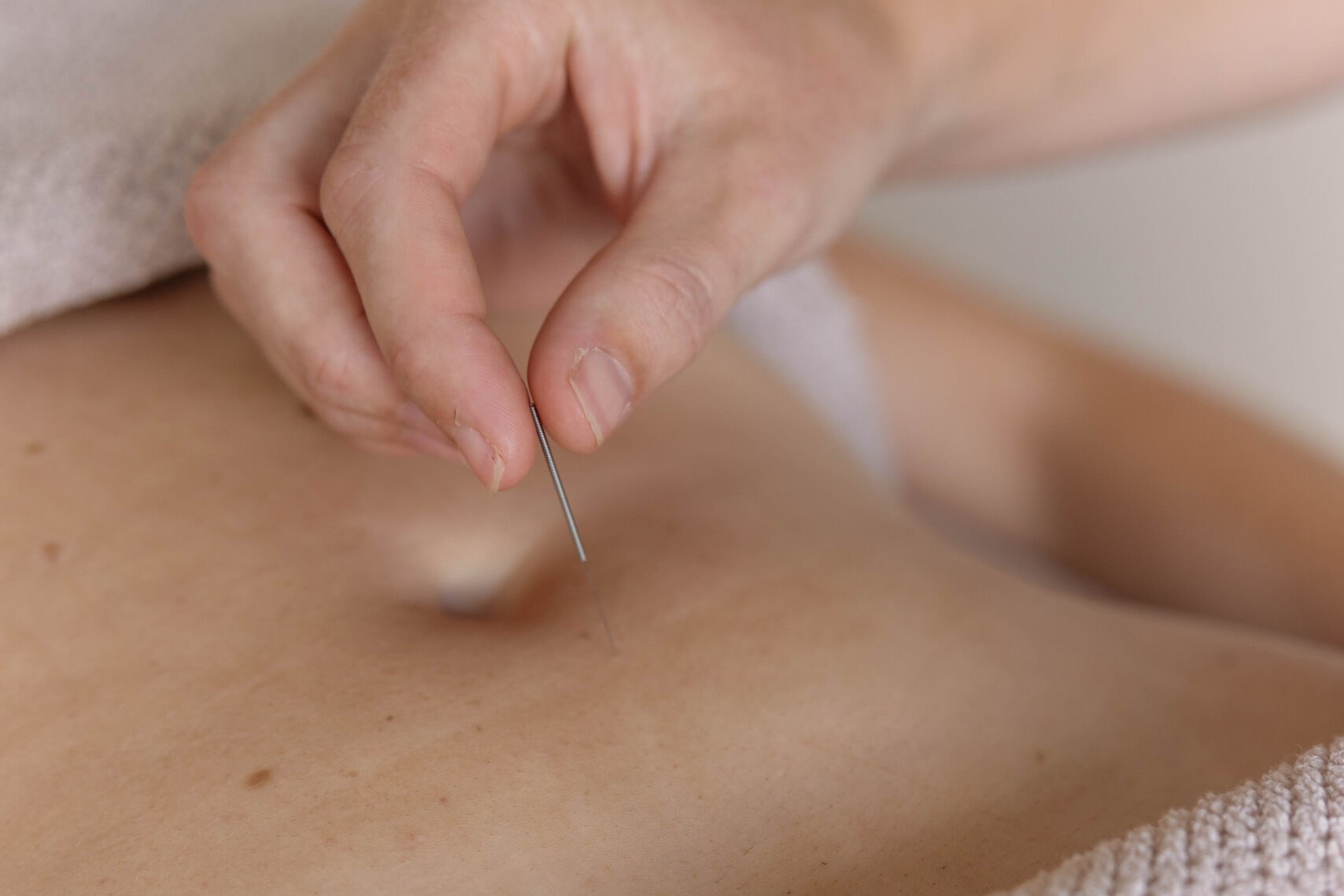
How to Improve Egg Quality in 90 Days: A Chinese Medicine Approach
Your eggs take about three months to get ready for ovulation. Here's a simple 90-day plan to support